Understanding the Missing Link in My Neurodivergence – Autism Gut Health Connection
One of the most unexpected parts of understanding my own neurodivergence has been realising just how much my gut health has shaped my day-to-day life. Understanding the Neurodivergence Gut Health Connection is something I am just starting to look at. For years I thought my digestive issues, fatigue, and unpredictable appetite were allergies, intolerances, “just IBS,” or “just stress.”
But learning more about autism and ADHD showed me something important:
Gut issues aren’t separate from neurodivergence — they are deeply connected to it.
So many lifelong patterns suddenly made sense:
- IBS flare-ups after sensory overload
- Forgetting to eat because hunger cues never appeared
- Post-meal fatigue triggering shutdowns
- Gut discomfort creating irritability or looping
- Overwhelm during meals because of sensory sensitivities
This understanding lifted years of self-blame and helped me see the bigger picture of how my autistic and ADHD brain works.
Why the Neurodivergence Gut Health Connection Matters
Research into the Neurodivergence Gut Health Connection shows GI issues are far more common than most people realise. Research consistently shows autistic people experience gastrointestinal (GI) conditions far more often than the general population — estimates range from 50% to over 80%
(Source: Autism Research Institute – Gastrointestinal Problems).
Common difficulties include:
- Chronic constipation
- Diarrhoea
- Abdominal pain and bloating
- GERD (acid reflux)
- Food intolerances (gluten, dairy, additives)
- IBS symptoms
- Irregular appetite
- Higher rates of inflammatory bowel disease
Looking back, many of these had been part of my life for decades — I just didn’t know they were linked to autism.
The Gut–Brain Axis in Autism: What Research Shows
Understanding the Neurodivergence Gut–Brain Connection
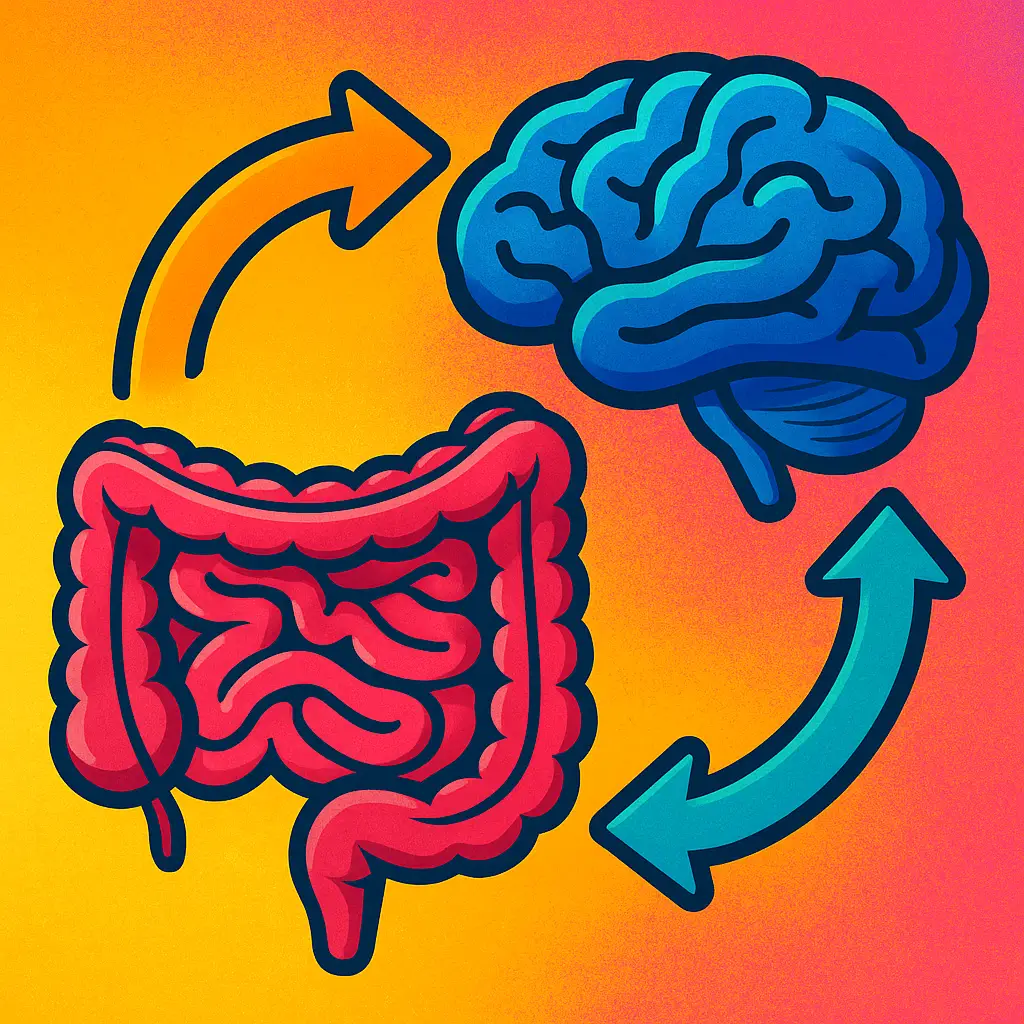
The gut and brain constantly communicate through nerves, hormones, immune signalling, and the microbiome. This is known as the gut–brain axis
(Research: Gut–Brain Axis Review – PMC).
In autistic people, several unique patterns appear again and again.
1. Behavioural Signs of Gut Pain (Especially When Interoception Is Low)
Autistic people often have reduced interoceptive awareness
(Research: Interoception in Autism – PMC).
So instead of saying “my stomach hurts,” gut discomfort may appear as:
- Irritability
- Shutdowns
- Anxiety
- Meltdowns
- Withdrawal
- Sleep disturbance
This explains so many moments in my life where I felt “wrong” but couldn’t identify the reason.
👉 Related post:
Neurodivergent Looping – Why My Thoughts Get Stuck
2. Microbiome Differences in Autism
Research shows autistic individuals often have different gut bacteria (dysbiosis)
(Source: Microbiome Meta-analysis – PMC).
Certain bacterial metabolites may influence:
- mood
- stress response
- sensory sensitivity
- social behaviour
- immune signalling
No wonder gut flare-ups often come with emotional and sensory overwhelm.
3. Immune Activation & “Leaky Gut” Pathways
Gut dysbiosis can contribute to:
- chronic low-grade inflammation
- increased intestinal permeability (sometimes called “leaky gut”)
- immune signalling that influences behaviour
(Source: Autism, Immune Function & GI Issues – PMC)
4. Neurotransmitters Are Made in the Gut
Around 90% of serotonin — a neurotransmitter affecting mood, appetite, and social behaviour — is produced in the gut.
When my gut is off, my mood and emotional regulation follow. Now I understand why.
Connecting the Gut–Brain Axis to My Own Story
Once I started exploring autism gut health research, things clicked:
- My “random irritability” often lined up with gut flare-ups
- Forgetting to eat was interoception + ADHD time-blindness
- Post-meal exhaustion wasn’t laziness — it was dysregulation
- My sensory system became more reactive when my gut was inflamed
- Shutdowns were often pain responses I didn’t recognise
Understanding this helped me finally treat myself with compassion.
Supporting the Neurodivergence Gut Health Connection: What Helps
Image suggestion: pastel or high-contrast infographic with strategies.
1. Proper Medical Assessment
Before exploring diets, it’s important to rule out:
- coeliac disease
- IBD
- GERD
- severe constipation
- nutrient deficiencies
NHS guidance on IBS & FODMAP:
👉 https://www.nhs.uk/conditions/irritable-bowel-syndrome-ibs/treatment/
NICE guidance:
👉 https://www.nice.org.uk/guidance/cg61
2. Tracking Symptoms When Interoception Is Hard
A simple diary can help identify patterns in:
- foods
- stress
- sensory overload
- sleep
- looping
- bowel movements
This compensates for reduced internal awareness.
3. Dietary Interventions — Carefully, Not Restrictively
Some autistic people try:
- gluten-free
- dairy-free
- additive-free
- low FODMAP
But research shows mixed results, and restrictive diets can be harmful.
About the Low FODMAP Diet
Low FODMAP is evidence-based for IBS — but only short-term and ONLY with a dietitian because it is highly restrictive
(Source: NHS Low FODMAP Guidance).
It may help some autistic individuals with IBS-like symptoms, but it can worsen:
- ARFID tendencies
- sensory aversions
- nutrient intake
For coaching once you spoken to a GP / Dietitian
👉 https://nutritionalharmony.co.uk/
4. Routine and Regulation Before Restriction
Research supports:
- predictable meal routines
- “mechanical eating” every 3–4 hours
- reducing mealtime sensory overload
- hydration
- gentle exercise
These strategies have helped me far more than any restrictive diet.
Final Thoughts: My Gut Finally Makes Sense
Recognising the Neurodivergence Gut Health Connection has helped me understand my body with far more compassion. Knowing this doesn’t magically fix everything — but it finally gave me context.
Context reduces shame.
Shame replaced with compassion leads to better self-care.
Better self-care supports a calmer nervous system — and a calmer gut.
If your appetite has always been unpredictable, or if gut problems have been dismissed as “stress” or “just IBS,” you’re not alone.
Your body is communicating — and now we’re learning how to understand it.
🔗 Internal Link (End of Post)
If you’re following my journey of late-diagnosed autism, you can read the rest of my series here:
👉 My Neurodivergent Story – Complete Index
Leave a Reply